Duct Access Solution Guide

Duct Access Solution Guide

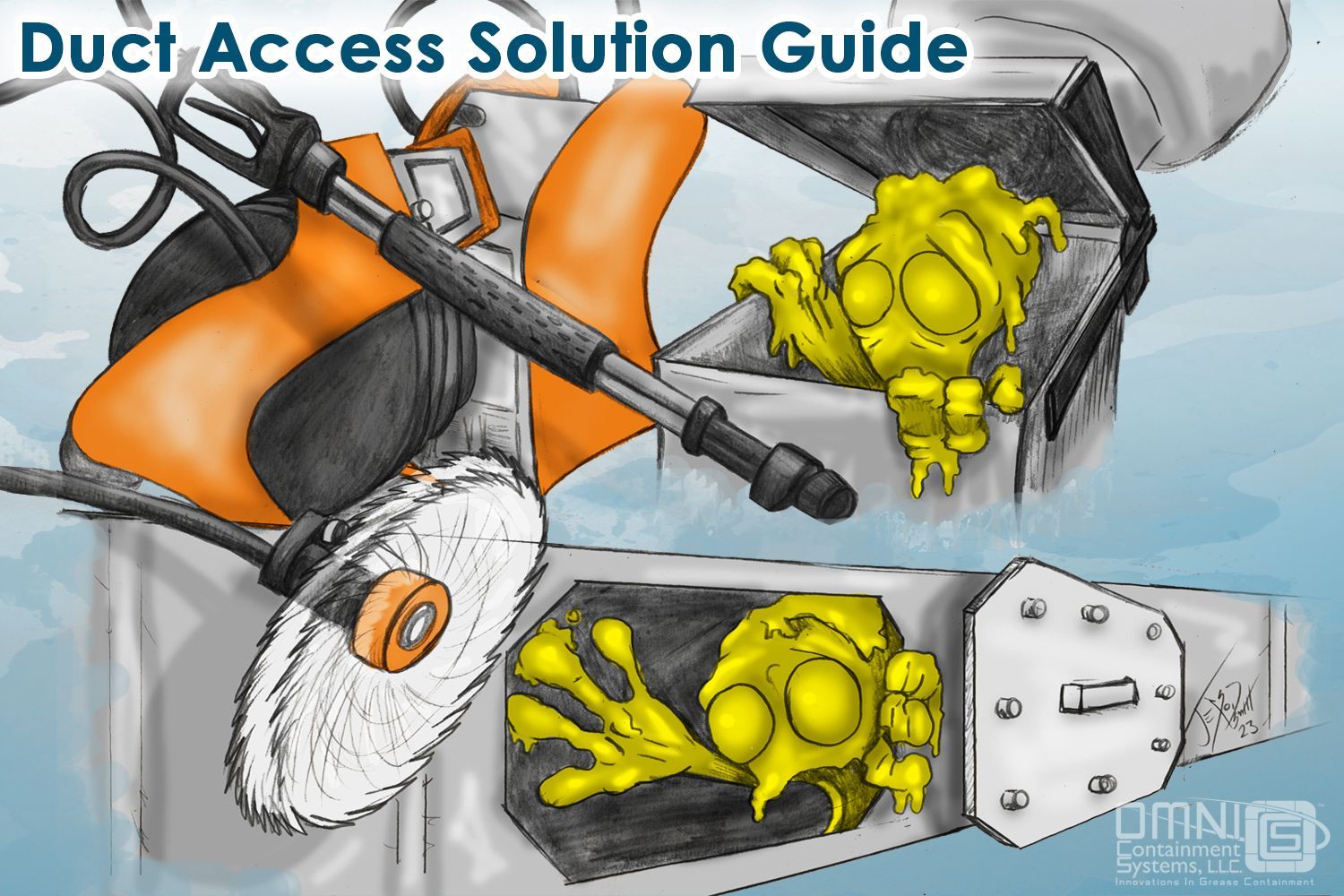
The ductwork within a kitchen exhaust system is often overlooked but is notorious among kitchen exhaust cleaners. Accessing this elusive area can be challenging, leading some cleaners to reconsider. When facing challenges related to accessing or maintaining kitchen exhaust ductwork, the accumulation of dangerous grease persists. Below are common issues and solutions to prevent grease buildup in ductwork:

Issue: Limited Access for Cleaning

  • Establish a Regular Cleaning Schedule : Follow the detailed guidelines provided by NFPA 96 to create a routine for cleaning the kitchen exhaust system. Regular cleaning helps prevent the buildup of grease and debris.
  • Install Access Doors : Place access doors strategically along the ductwork, following NFPA 96 requirements. Access doors should be easily opened and marked for identification to allow inspection and thorough cleaning.  

Issue: Inadequate Design

  • Consult with an Engineer : If the kitchen exhaust system has a poor design, consult with a mechanical engineer or HVAC professional to assess the design and suggest modifications for better access.
  • Modify Existing Ductwork : Add access points to the existing ductwork as necessary, following NFPA 96 guidelines. This may involve redesigning certain sections of the ducts.

Issue: Space Constraints

  • Invest in Compact Cleaning Tools : Use compact and flexible cleaning tools designed for tight spaces, such as brushes, scrapers, or vacuum attachments. TEGRAS equipment , including duct brushing robots, can reach areas inaccessible to scrapers and power washers.
  • Consider Duct Redesign : If space constraints are severe, consult with a professional to explore options for redesigning the ductwork to allow for better access.

Issue: Legal Compliance

  • Check Local Codes : Ensure your kitchen exhaust system complies with local building and fire codes to avoid fines and legal issues.
  • Upgrade as Necessary : If your system is outdated and doesn’t meet current regulations, consider upgrading to a compliant system that allows for easier access.

Addressing issues related to lack of access in kitchen exhaust ducts requires a combination of regular maintenance, professional services, the right equipment, and, in some cases, system redesign. Always prioritize safety and compliance with local regulations. Consult with experts in kitchen exhaust systems if unsure about the appropriate course of action. If you have any questions regarding Omni Containment System ’s products, contact us today. We would be happy to help your facility become and remain code compliant.

Share This Blog Post!
28 May 2026
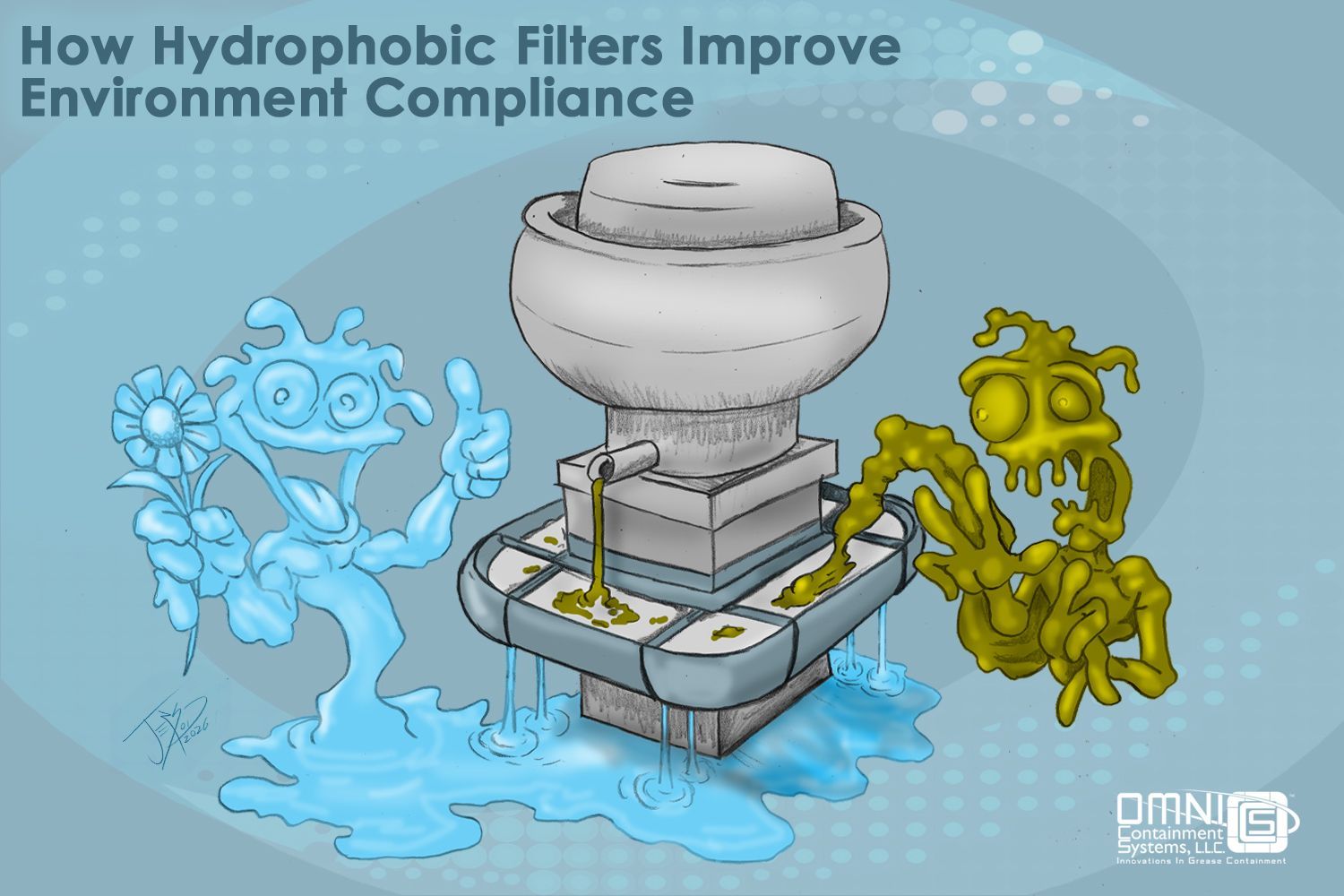
Discover how hydrophobic grease filters improve rooftop greases containment, reduce stormwater pollutions, support EPA compliance, and lower maintenance costs for commercial kitchens.
23 April 2026
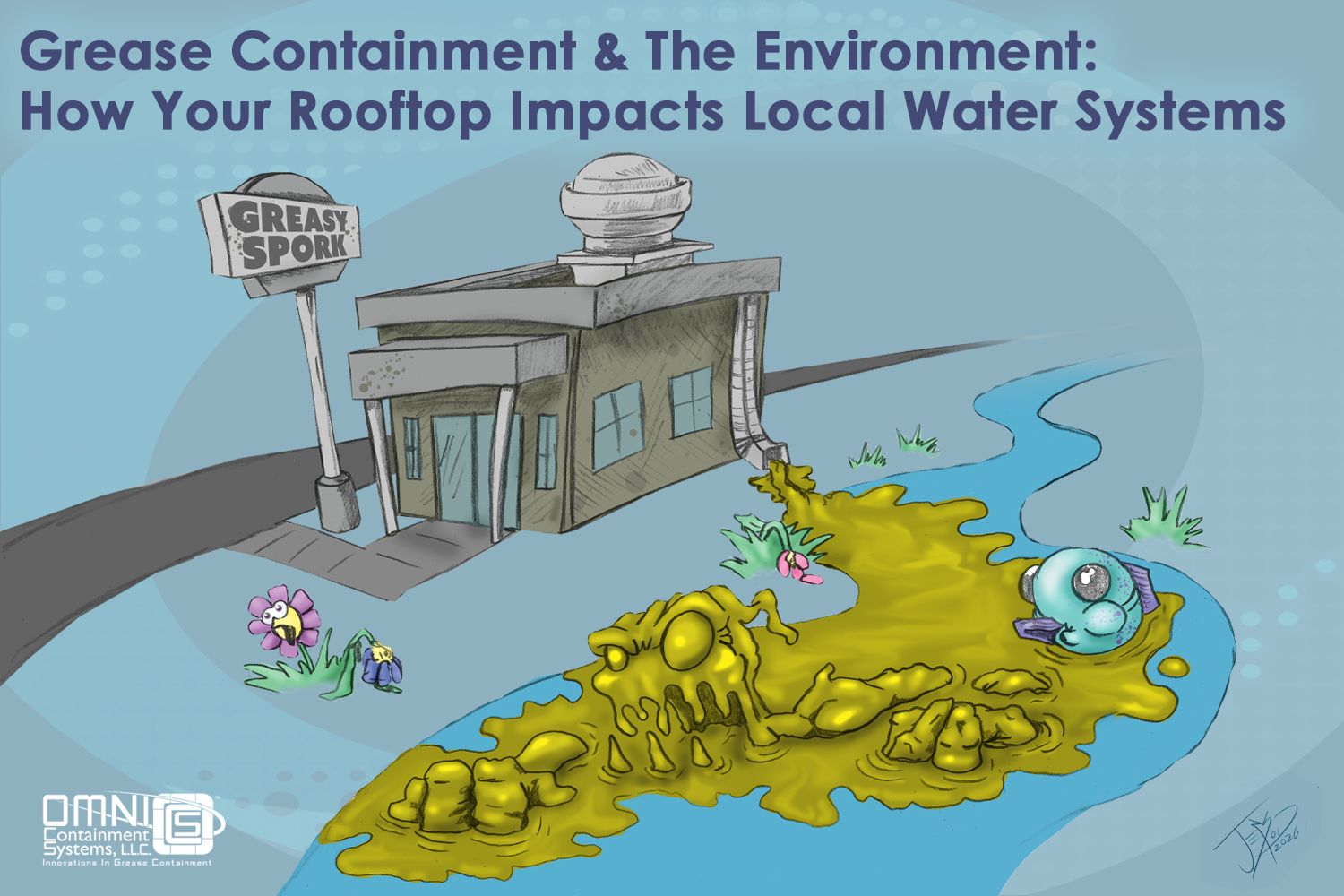
When people think about environmental responsibility in commercial kitchens, they usually focus on what goes down the drain. But one of the most overlooked sources of pollution isn’t inside your facility, it’s on your roof. Rooftop grease runoff from kitchen exhaust systems can have a direct and damaging impact on local water systems, storm drains, and surrounding ecosystems. Without proper containment , that grease doesn’t just disappear, it travels. From Rooftop to Waterway: How Grease Becomes Pollution Commercial kitchen exhaust systems are designed to remove heat, smoke, and airborne grease particles. While hood filters capture some of that grease, a significant amount still passes through the system and accumulates in ductwork and exhaust fans. Over time, this buildup begins to drip onto the roof, spread across roofing materials, and get carried away by rainwater. Once rain hits your roof, it acts as a transport system, moving grease into gutters, downspouts, and ultimately into storm drains. Unlike sanitary sewer systems, stormwater runoff is often discharged directly into local waterways without treatment. As a result, grease from your rooftop can end up in rivers, lakes, municipal stormwater systems, and surrounding soil. Why It Matters: Environmental and Operational Risks The impact of rooftop grease runoff extends beyond a messy roof; it creates real environmental and operational concerns. Grease contains fats, oils, and contaminants that can degrade water quality. When introduced into natural water systems, it can harm aquatic life, disrupt oxygen levels, and contribute to long-term ecosystem damage. At the same time, regulatory compliance is at risk. Local and federal requirements , often tied to EPA stormwater guidelines, mandate that facilities prevent pollutants from entering storm drains. Uncontrolled grease runoff can lead to fines, failed inspections, and increased scrutiny.  There are also direct impacts on your facility. Grease buildup can deteriorate roofing materials, void warranties, and create slip hazards for maintenance personnel. What begins as a rooftop issue can quickly escalate into a costly problem. The Role of Grease Containment Systems A properly designed grease containment system serves as a critical barrier between your exhaust system and the environment. Instead of allowing grease to spread across the roof, these systems capture it at the source, right at the exhaust fan's discharge. Filtration media absorbs and holds the grease, preventing runoff during rain events and reducing the risk of environmental contamination. More advanced systems incorporate multi-stage filtration, improving efficiency while reducing maintenance frequency. The result is a cleaner, safer, and more controlled rooftop environment. Sustainability Starts at the Source Environmental responsibility isn’t just about compliance; it’s about prevention . By addressing grease at the rooftop level, facilities can reduce their environmental footprint, support local water quality initiatives, and align with broader sustainability. For multi-site operators and property managers, this becomes even more important. A single poorly managed rooftop can impact not just one building, but an entire property, or even the surrounding community. Best Practices for Preventing Rooftop Grease Runoff Preventing grease runoff doesn’t require a complete overhaul, but it does require consistency and the right approach . Start by installing a high-quality grease containment system designed for durability and ease of maintenance. From there, regular maintenance is key. Filtration media should be inspected and replaced as needed to ensure the system continues performing effectively. Routine rooftop inspections can help identify buildup early, before it becomes a larger issue. Finally, working with experienced professionals ensures proper system selection and installation, setting up the foundation for long-term performance. A Small Change with a Big Impact Grease containment may seem like a small part of your operation, but its impact extends far beyond your rooftop. By taking proactive steps to manage grease runoff, you’re not only protecting your building, but you’re also helping protect your local environment and water systems. Looking to improve your rooftop grease management? Omni Containment Systems provides innovative solutions designed to keep grease where it belongs, off your roof and out of waterways.
by technical 25 March 2026
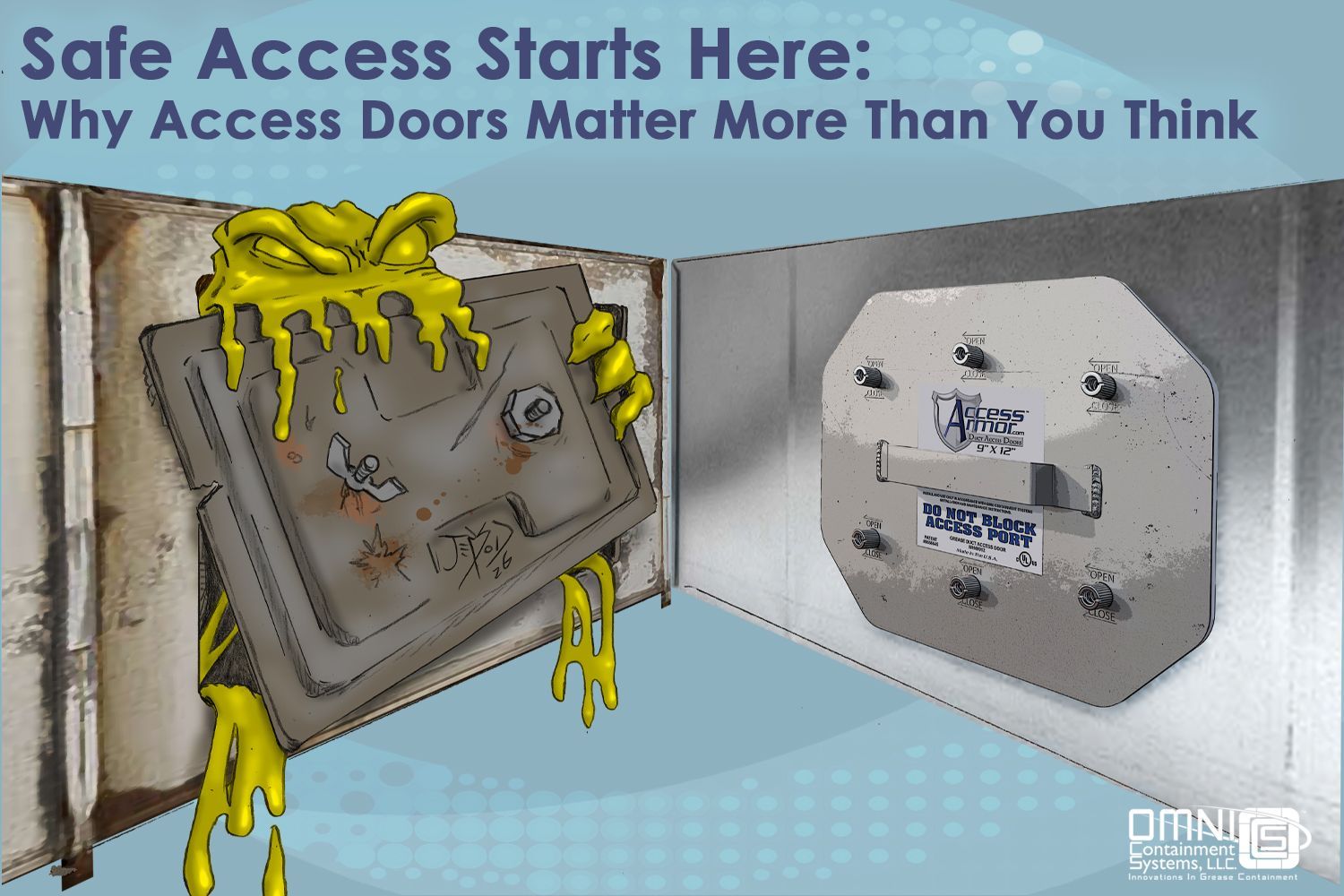
Proper duct access improves safety and cleaning efficiency in kitchen exhaust systems. Learn why Access Armor doors help technicians work safe and stay NFPA compliant.
common duct cleaning mistakes, duct cleaning best practices, ventilation system cleaning errors
by technical 21 February 2026
Discover the most common duct cleaning mistakes that reduce air quality and HVAC efficiency. Learn how to improve protocols, avoid costly errors, and choose the right equipment.
grease containment for exhaust fans, rooftop grease solutions, commercial kitchen exhaust safety
by technical 19 January 2026
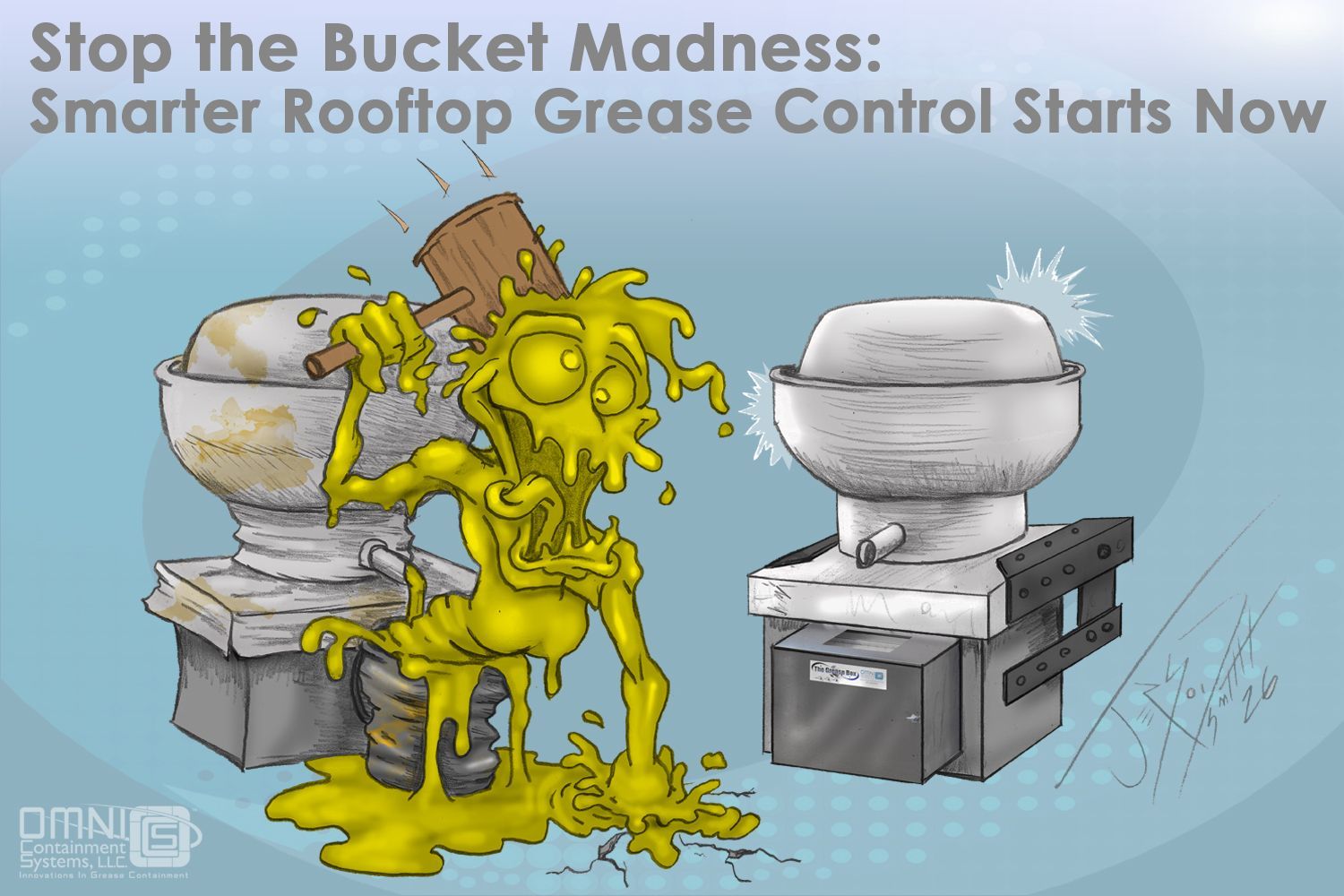
Leave buckets behind in 2026. Discover smarter rooftop grease containment systems, filters, and NFPA 96-compliant solutions from Omni Containment Systems.
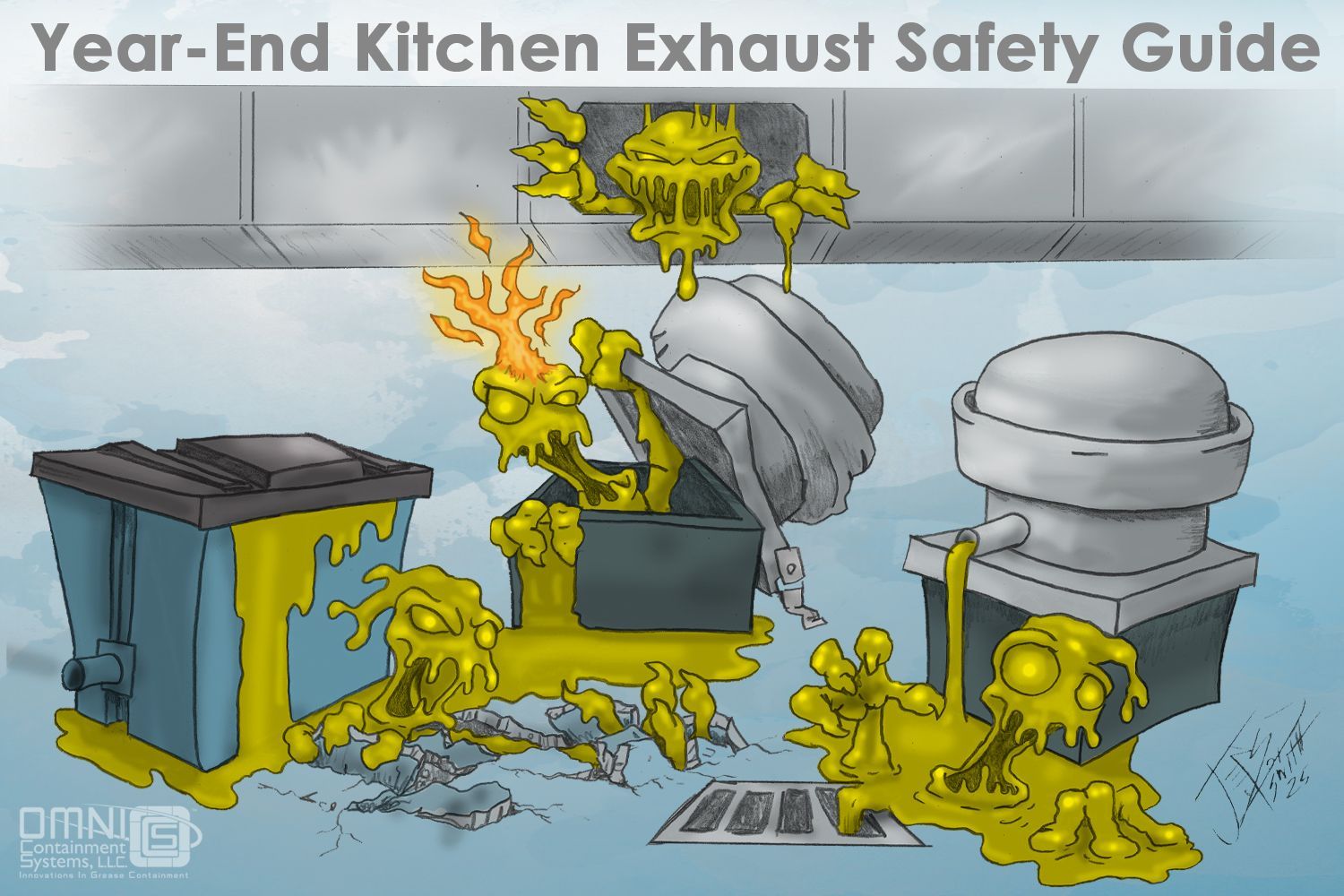
Illustration: kitchen equipment overtaken by yellow, gloopy substance with flaming head, suggesting hazards.
by technical 10 December 2025
Finish the year strong with a rooftop kitchen exhaust system that’s safe, compliant, and winter-ready. Discover common issues to check, filter tips, and NFPA 96-compliant solutions from Omni.
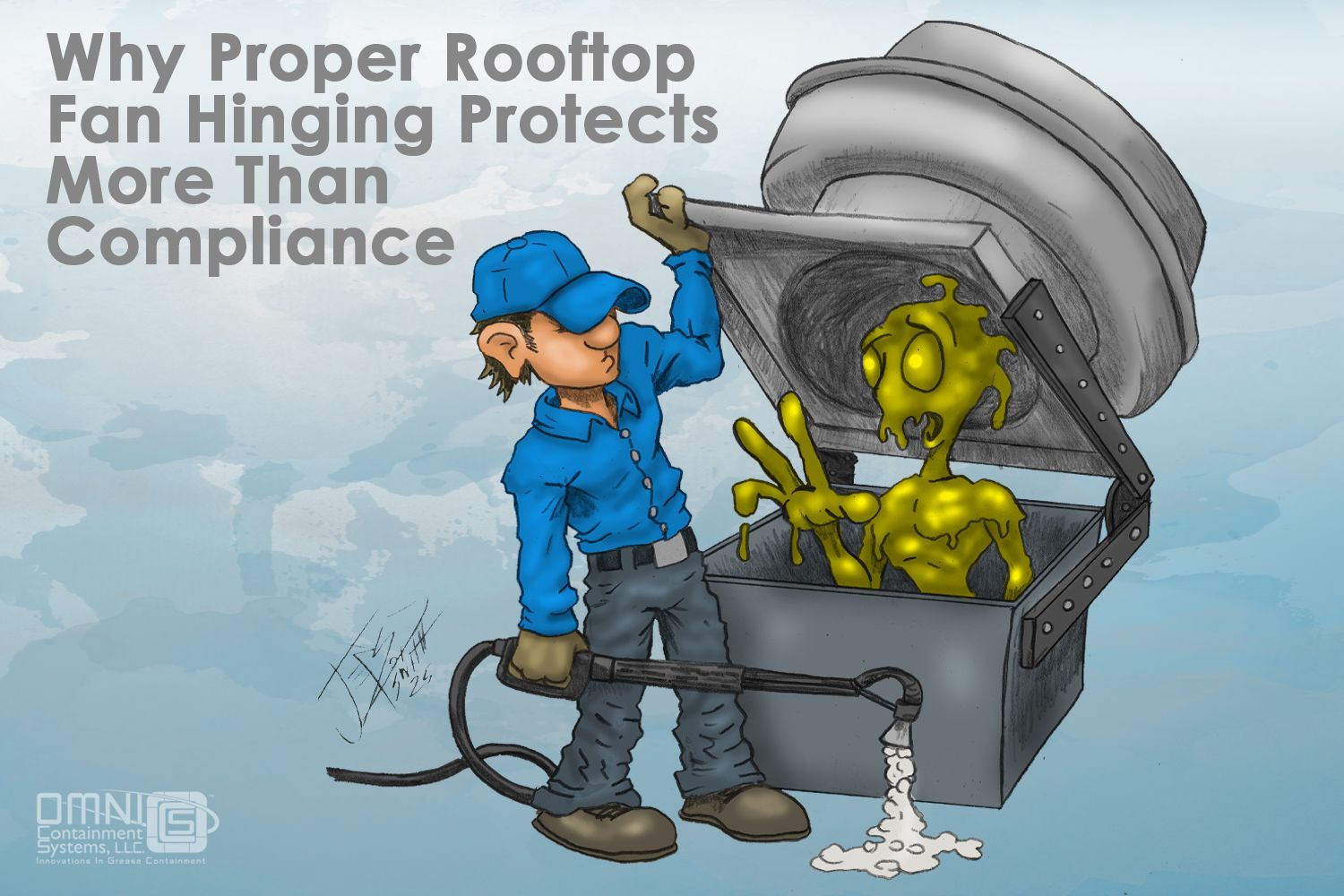
Cartoon of a worker, next to a rooftop fan, reaching for a gooey alien inside the fan's housing.
by technical 12 November 2025
Ensure your rooftop exhaust fans are safe, serviceable, and fully NFPA 96 compliant. Learn why the right hinge matters and explore Omni’s durable, code-compliant hinge kits.
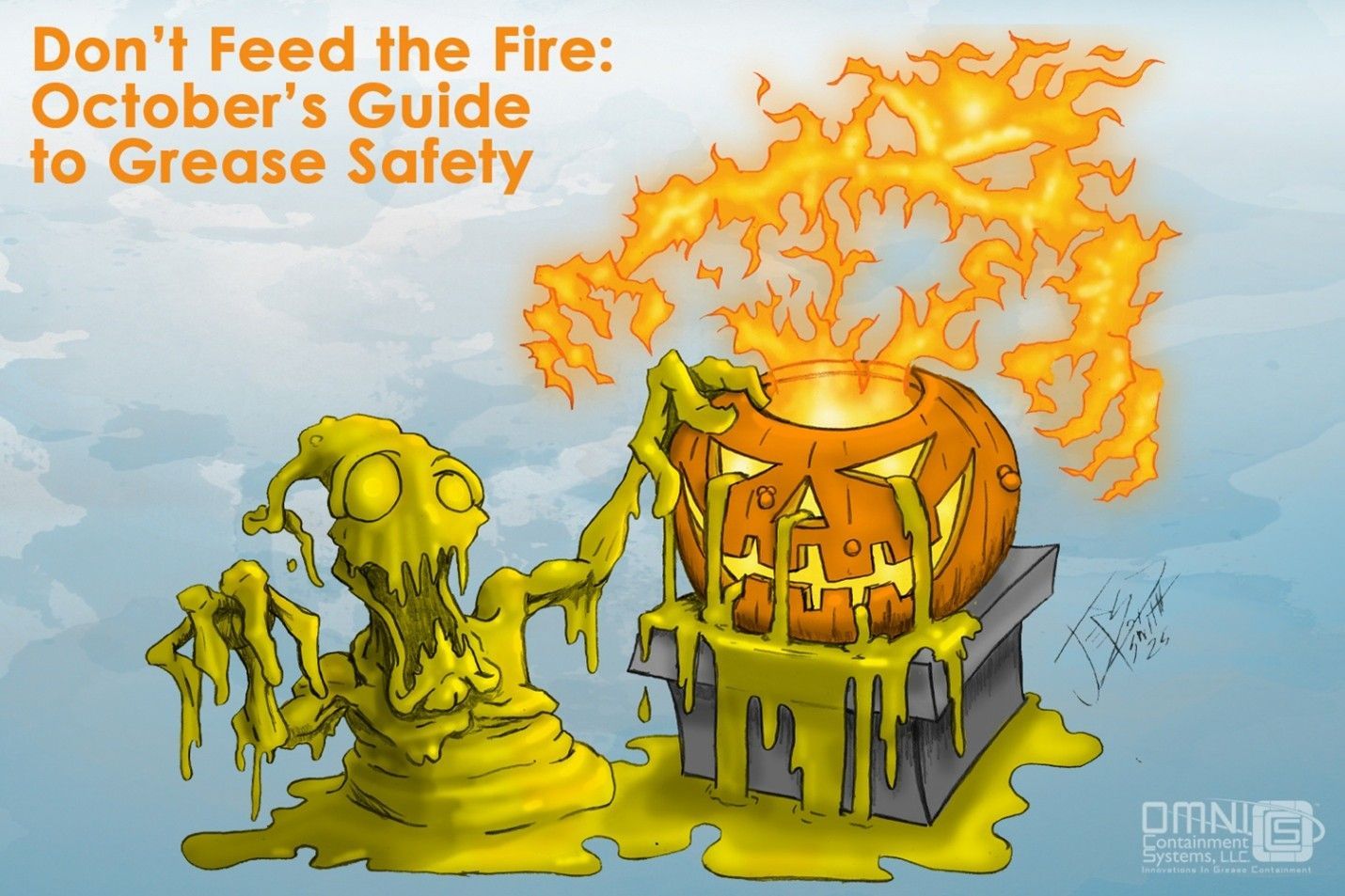
Yellow blob creature, flaming pumpkin, and grease-covered block warn about grease fire dangers in October.
by technical 30 October 2025
Protect your restaurant from costly grease fires. Learn key fire prevention tips, NFPA 96 compliance insights, and rooftop safety solutions from Omni Containment Systems.
An advertisement for fire safety.  Chimney and trash can on fire with fall foliage. Text:
by Admin 22 September 2025
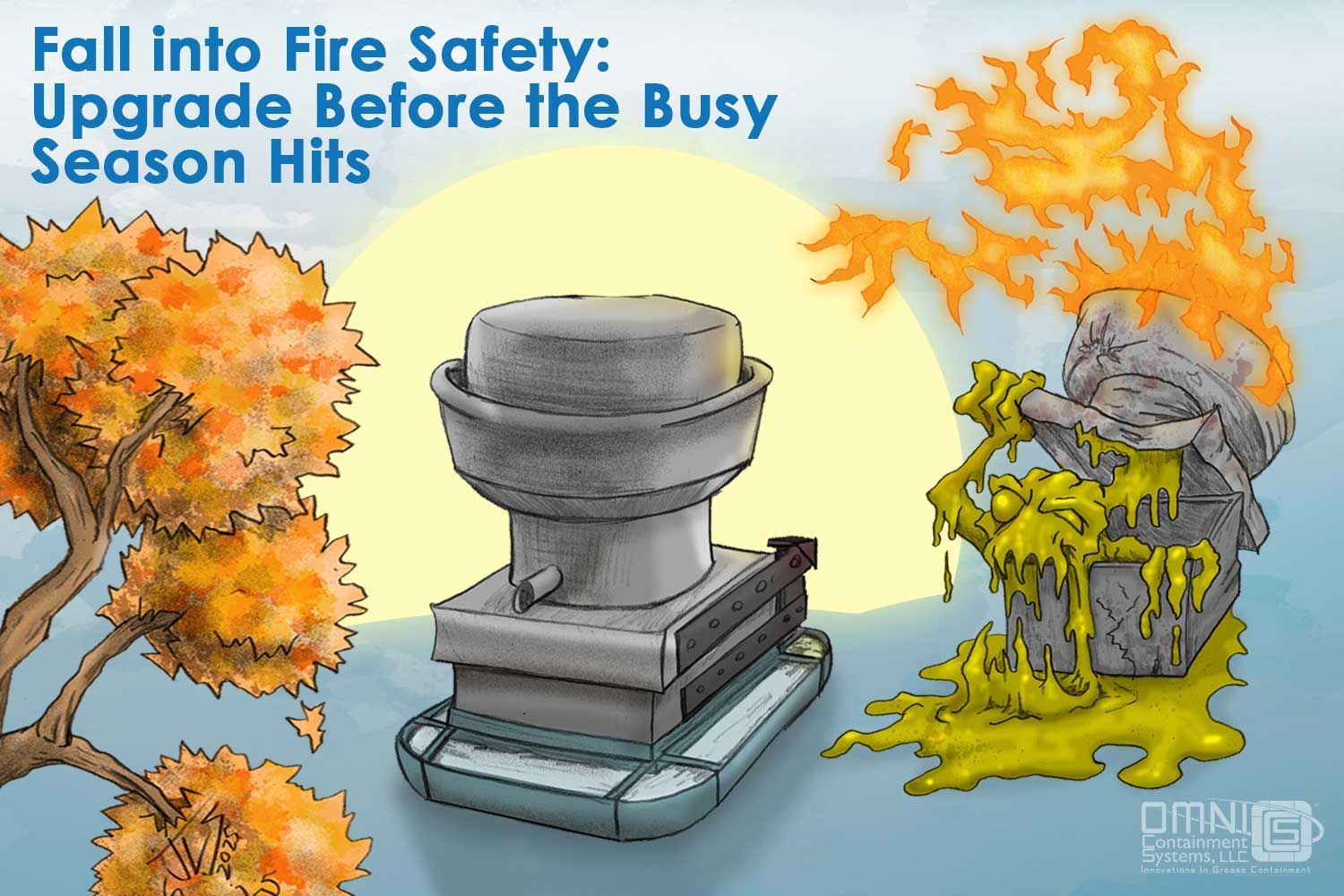
This fall, safeguard your restaurant with NFPA 96-compliant fire safety upgrades. Omni Containment Systems offers Super Hinges, grease containment solutions, and VISIOMAX inspections to protect kitchens before the busy holiday season.
Man contemplating equipment choices: various colored machines. Text:
by technical 28 August 2025
Discover how the right equipment, like Tegras and Tecai systems from Omni Containment Systems, can boost efficiency, ensure safety, and drive business growth for kitchen exhaust cleaning professionals.
More posts